
The 2027 cycle just closed — which means you have a genuine head start on 2028 if you start preparing today instead of waiting for the portal to reopen.
Quick heads-up before anything else: if you were hoping to apply for Fulbright right now, the 2027 cycle's application window through USEFP (the United States Educational Foundation in Pakistan) has already closed — it ran through 1 April 2026. If you missed it, you haven't missed your shot at Fulbright altogether, you've just landed on the smartest possible day to start preparing for the next one.
That's actually the whole point of this guide. Most applicants start preparing for Fulbright about six weeks before the deadline. The ones who get in usually start eight to ten months before. You're reading this in July — that puts you well ahead of the curve for the 2028 cycle, expected to open around February 2027.
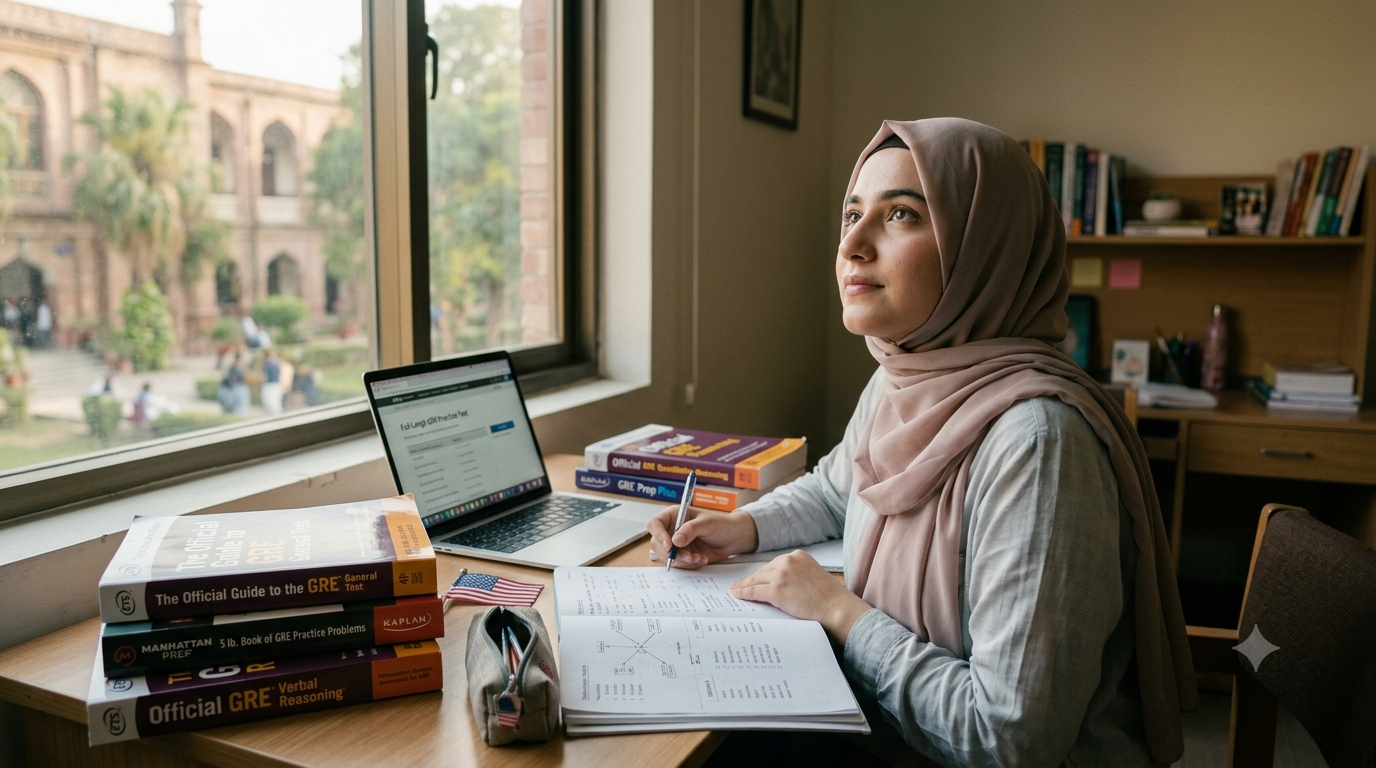
What Is the Fulbright Scholarship?
Fulbright is the U.S. government's flagship international exchange program, funded by the U.S. Department of State and, in Pakistan, jointly funded and administered locally by USEFP. It funds fully funded master's and PhD study at U.S. universities — not undergraduate study — and Pakistan has consistently had one of the largest Fulbright programs in the world, with USEFP aiming to award around 100 scholarships in recent cycles.
What It Covers
- Full tuition and required fees
- A monthly living stipend
- Return airfare to the U.S.
- Health insurance
- Textbook allowance
- A laptop and a settling-in allowance
In return, Fulbright expects something back: grantees must return to Pakistan within 30 days of finishing their program and fulfill a two-year residency requirement before they can apply for most U.S. immigrant visas. This isn't "study abroad money" in the loosest sense — it's an exchange program built around you coming back and using what you learned here.
Fulbright 2028 — Expected Timeline
USEFP hasn't announced exact 2028 dates yet, but the cycle has followed a consistent yearly pattern. Use this as your planning framework, and confirm live dates on USEFP's site once they're published.
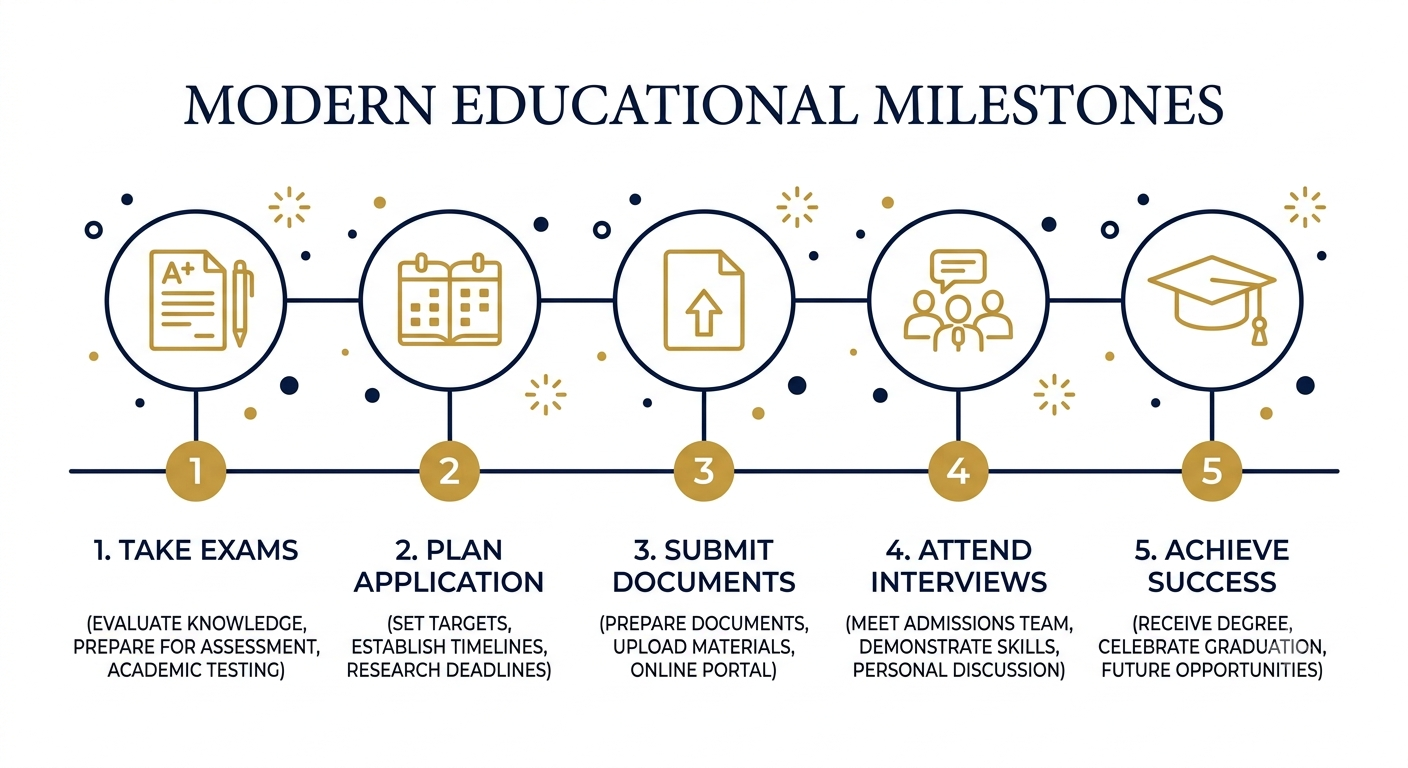
These dates are projections based on the 2027 cycle's actual timeline, not confirmed 2028 dates. Bookmark usefp.org and check back from January 2027 onward.
Who Can Apply? (Eligibility Checklist)
- You're a Pakistani citizen, currently living in Pakistan
- Master's applicants: a 4-year bachelor's degree, or a bachelor's + master's combination totaling 16 years of education
- You're applying in a field other than clinical medicine (public health and research-based health fields are fine)
- You haven't already studied in the U.S. under a prior Fulbright or similar U.S. government-funded exchange, unless you can make a strong case for a second opportunity
- You're willing to return to Pakistan and fulfill the two-year residency requirement after your program
The GRE: Start This Early, Not Later
Unlike Chevening, Fulbright through USEFP requires the GRE General Test for every applicant, submitted at the time of application. This is usually the single biggest reason applicants run out of time — registering late, scoring lower than hoped, and not having time to retake it.
- Recommended score: 315+ for engineering/sciences, 310+ for other fields (there's no hard cutoff, but this is where competitive applicants land)
- Use ETS code 9388 (USEFP) and 2326 (IIE) when registering so your scores route to the right place
- TOEFL is not required at the initial application stage — only if you're later shortlisted
- If you study or teach at a public university and score at least 300 (engineering/sciences) or 290 (humanities/social sciences), you can request GRE fee reimbursement from USEFP
Where to Apply
USEFP Fulbright Application System
This is where you'll submit your full application once the 2028 cycle opens. It's currently showing the 2027 cycle as closed — that's expected until USEFP opens the next round.
applications.usefp.org →USEFP Official Site
Check here regularly from late 2026 onward for the official 2028 cycle announcement, updated eligibility details, and exact deadlines.
usefp.org/fulbright-degree →How the Selection Process Actually Works
Fulbright's selection runs in four distinct rounds — knowing this helps you understand why the process takes from April to September.
Completeness Screening
Every application is checked for completeness and minimum qualifications.
Merit Evaluation
Complete applications are scored against established criteria and shortlisted.
Interviews
Shortlisted applicants are interviewed, in-person or virtually, June–August, by mixed U.S.–Pakistani panels.
Final Nominations
Principal and alternate nominees are announced in September.
Documents to Start Preparing Now
- Official or unofficial GRE score report (official preferred once available)
- Academic transcripts with your university's grading scale explained
- A clear Statement of Purpose outlining your study goals
- PhD applicants: a research proposal
- Contact details for three referees who know your work well — not just senior titles
- An up-to-date resume/CV
Common Mistakes That Get Applications Rejected
- Registering for the GRE too close to the deadline, with no time to retake it
- A generic Statement of Purpose that doesn't explain why this specific field, this specific plan, and why Pakistan needs it
- Choosing referees by seniority instead of who actually knows your work
- Applying for a clinical medicine program (not eligible — use public health or research tracks instead)
- Submitting incomplete transcripts without an explanation of your university's grading scale
Should You Prepare Now?
Yes — precisely because most applicants don't. If you start your GRE prep, draft your Statement of Purpose, and line up referees over the next several months, you'll be submitting a polished application in Feb–April 2027 while other candidates are still scrambling. Combined with Fulbright's roughly 100 annual awards for Pakistan and its holistic, not purely GPA-based, evaluation, this is very much worth the long runway.
Have any thoughts?
Share your reaction or leave a quick response — we’d love to hear what you think!
-
 0
0
-
 0
0
-
 0
0
-
 0
0
-
 0
0
-
 0
0