Anything you post could reach millions of screens worldwide!
Viral marketing can be a goldmine for companies that can pull it off. However, because it’s a rare and unpredictable feat, it shouldn’t be the only thing you strive for,
This guide explains how to create a viral marketing campaign,including the strategies ,tools,risk, examples and mindset needed to succeed .
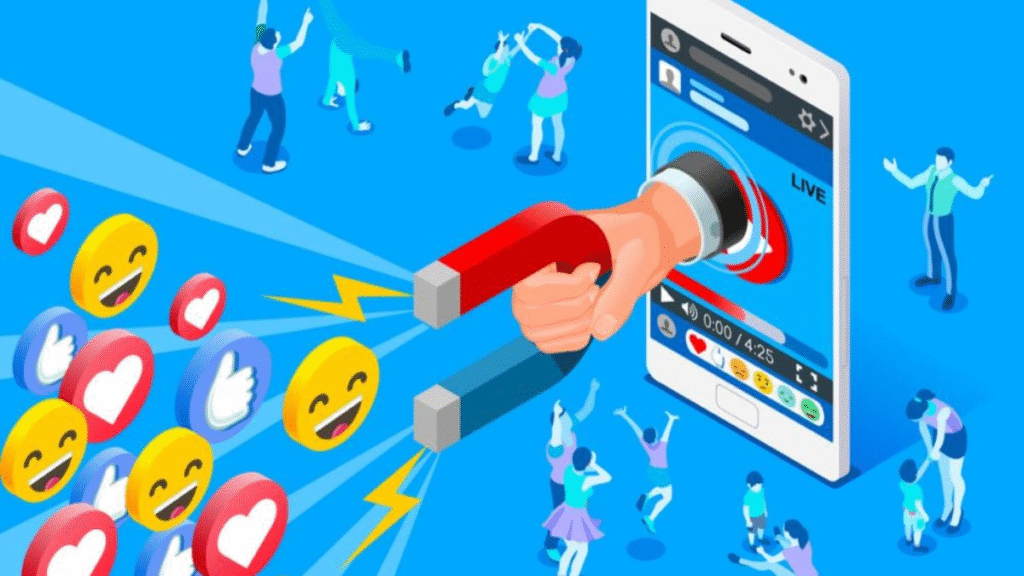
Viral marketing: What Exactly Is It?
Viral marketing encourages your customers to share your messages, products, or services with their social network (either through word of mouth or on their social media channels), which results in faster message spread.
Successful campaigns depend on the message, the messenger, and the environment in which it spreads.
Generally, the viral meaning in social media refers to a piece of content that strikes a chord with the public. Users and the algorithm share it with thousands or millions of others across the platform in a short period.
Viral marketing is the art of creating content so compelling that people can’t help but share it. It spreads organically — like a digital wildfire — across platforms such as TikTok, Instagram, YouTube Shorts, and X (formerly Twitter).
5 Viral Marketing Techniques
While there’s never any guarantee that your marketing campaign will go viral, there are a few proven viral marketing strategies you can use to increase its chances of taking off.
In this section, we’ll describe the techniques you can use to make your marketing efforts as share-worthy as possible.
- Understand Your Audience Deeply
- Utilize Impactful Visuals To Communicate
- Prioritize Creativity in Your Approach
- Foster Emotional Engagement
- Clarify Your Campaign Goals
KEY TAKEAWAYS
- Viral marketing aims for rapid word-of-mouth spread, often using social media as a key platform.
- Early successful examples include Hotmail, which embedded marketing messages in user emails.
- Virality is unpredictable but can significantly boost brand visibility and consumer reach.
- Disadvantages include the potential for negative buzz and difficulty in measuring impact.
- Viral campaigns are low-cost but risk backlash if they appear insincere or compromise user privacy.
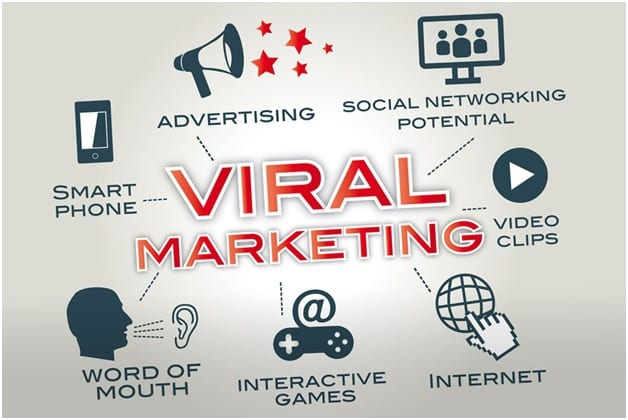
The Top 5 Benefits of Using Viral Marketing
When viral advertising is done right, it’s able to take your business to new heights. And that’s just the start of what viral marketing can do for your business. Some additional benefits of going viral include:
- More exposure
- Better lead generation:
- Enhanced company credibility
- Higher sales
- More customer engagement and interaction
The 2025 Viral Marketing Formula
1. Hook in the First 2 Seconds
Attention spans are shorter than ever. Your opening frame, headline, or thumbnail must immediately spark curiosity or emotion.
2. Emotion Over Information
Facts rarely go viral — feelings do. In 2025, content that triggers laughter, awe, or empathy spreads faster than polished ads. Use storytelling, real reactions, and behind-the-scenes moments to humanize your brand.
3. AI-Driven Creativity
Tools like ChatGPT, Runway, and Synthesia now help creators brainstorm viral ideas, generate scripts, and produce content at lightning speed. AI doesn’t replace creativity — it multiplies it.
4. Leverage Trends, But Add a Twist
Jumping on trending sounds, memes, or challenges is still effective — but standing out means remixing them. Give every trend your own personality or brand flavor.
5. Optimize for Shareability
Ask yourself: Would I send this to a friend?
Add elements that spark conversations — humor, shock value, or useful insights that make people look smart for sharing.
6. Cross-Platform Repurposing
In 2025, virality rarely happens in one place. Post across multiple platforms with slight edits. The same idea that flops on TikTok might explode on YouTube Shorts or Threads.

Should going viral be your goal?
Viral content can turn a lot of heads your way, but it’s not always the right content strategy. If you’re launching a new product or want to drive massive awareness, virality is your friend.
The Pros of going viral include:
- Massive reach
- Low costs
- Brand exposure
- Social proof
- Community growth
- Earned media
cons
- Unpredictability
- Uncontrollable
- Risk of backlash
- Short-term engagement
- Unrealistic expectations
Real-Life Viral Marketing Success Stories
A frequently used example of early viral marketing is Hotmail, the free web-based email service launched in 1996 that included in its users’ outgoing messages an embedded advertisement and direct link inviting recipients to sign up for an account. This practice led to the fastest growth among user-based media companies at the time.
Another example that illustrates how varied viral marketing can be is the ALS Ice Bucket Challenge. The ice bucket challenge existed before The ALS Association utilized it to raise awareness and generate donations; however, the massive dissemination on social media of ALS Ice Bucket videos created a worldwide sensation that tremendously increased ALS awareness.
How Do You Make Money If Your Video Goes Viral?
To make money on a viral video, you must monetize it, generally by requiring subscribers to pay to view it or by allowing companies to advertise to your audience in exchange for a fee. Companies either pay the creator to mention their products or services or run company-created ads before, during, or after their videos.
What Are Good Tools for Viral Marketing Campaigns?
There are many tools companies can use in their viral marketing campaigns. Companies can create and sponsor communities, which can be tapped to promote your products or services. Create and promote sweepstakes, contests, and rewards to generate buzz and capture a large audience. Other tools include sponsoring messages and chat blasts.
Metrics That Matter in 2025
Forget likes. The new virality indicators are:
Saves & Shares — Proof of genuine engagement
Watch Time — Signals to algorithms that viewers are hooked
Duets & Remixes— The modern word-of-mouth effect
The Bottom Line
Viral marketing can boost a company’s brand awareness and expand its reach. It often comes at a lower cost than traditional advertising because it relies on organic sharing. Its success depends on creating engaging, shareable content and strategically using social media platforms. But viral campaigns carry risks, including negative word-of-mouth and challenges in measuring impact.
Final Takeaway
Going viral in 2025 isn’t about chasing trends — it’s about creating emotional resonance, leveraging AI, and staying agile across platforms.
When you blend creativity with data-driven insights, virality becomes repeatable.
📸 Stay Updated!
Follow us on Instagram for the latest business, world news & tech trends.
➜ Follow @FasturiousOfficial
1 comment
[…] Read: How to Go Viral on Social Media in 2025 […]