1. Introduction — A New Era of Local Discovery
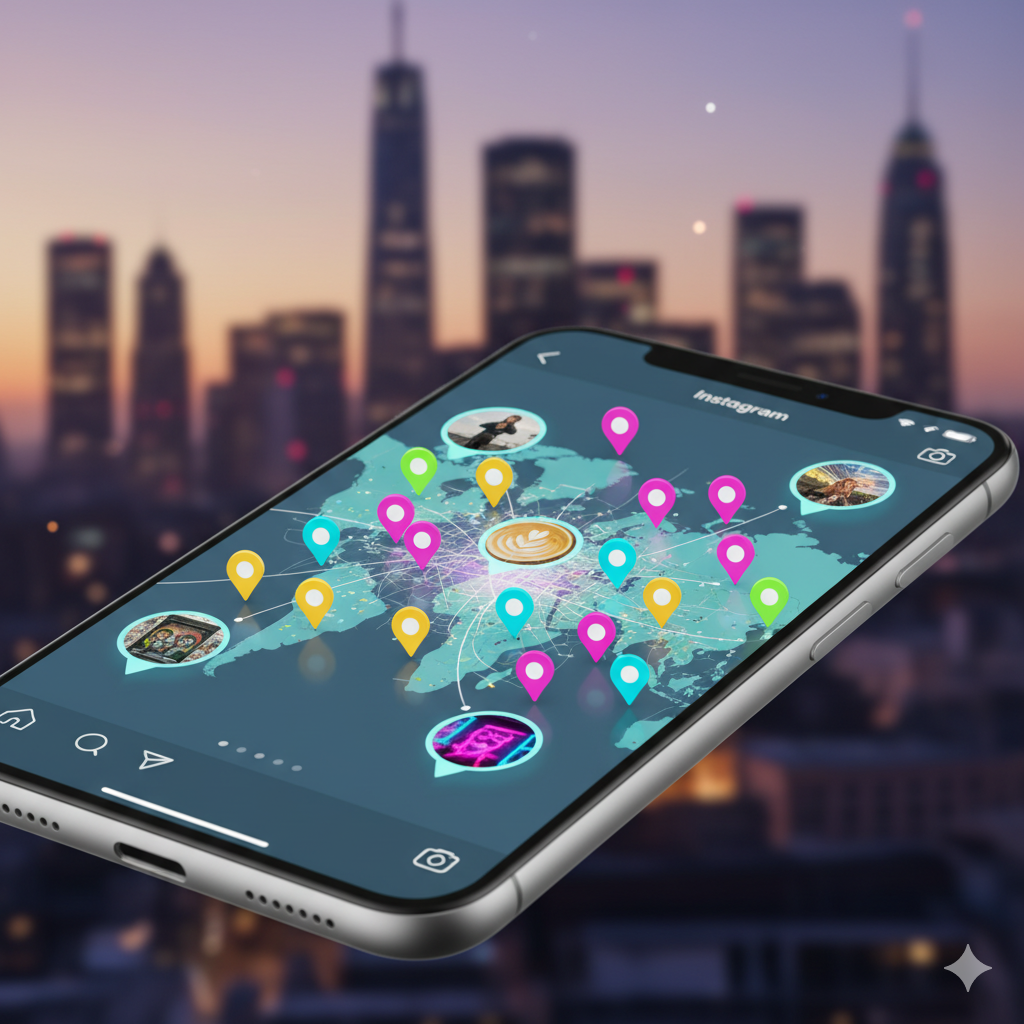
Cities pulse with stories. Streets hum with flavor, artistry, voices. Instagram’s freshly launched map feature transforms how we traverse urban landscapes. Suddenly, exploration isn’t just about hashtags — it’s about proximity, serendipity, and connection.
2. Why the Map Feature Matters More Than Filters
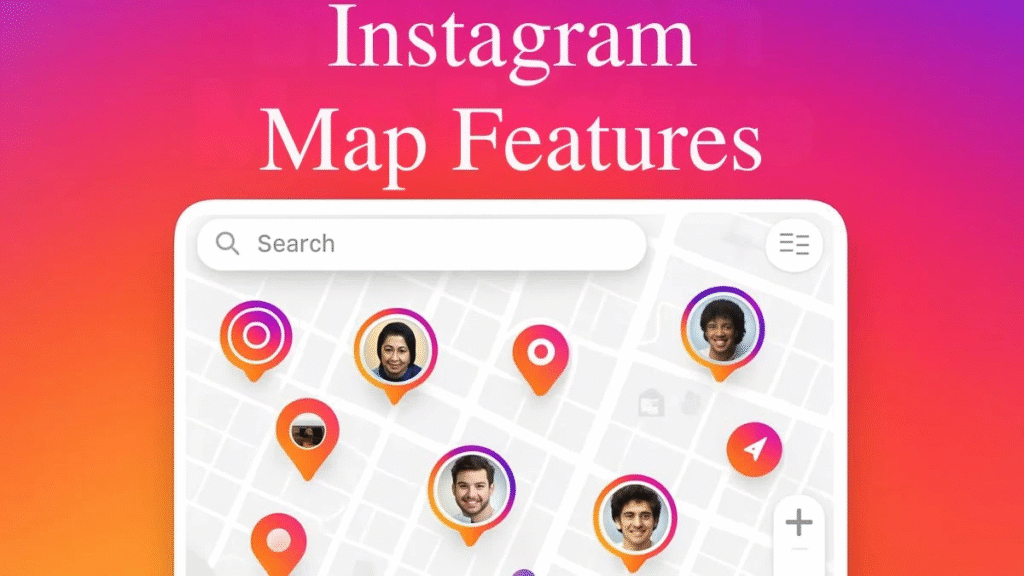
Filters once ruled Instagram: color hues, mood, aesthetic. But they abstract space. The map feature roots discovery in where you are. It bypasses broad tags and delivers place-based narratives.
Instagram Official Blog – Product Updates
3. What Is Instagram’s New Map Feature?
It’s a spatial interface embedded within the app that surfaces nearby content — posts, videos, creators — pinned to locations. Rather than swiping endlessly, you can simply zoom into your neighborhood and watch life unfold around you.
4. How It Differs From Traditional Maps
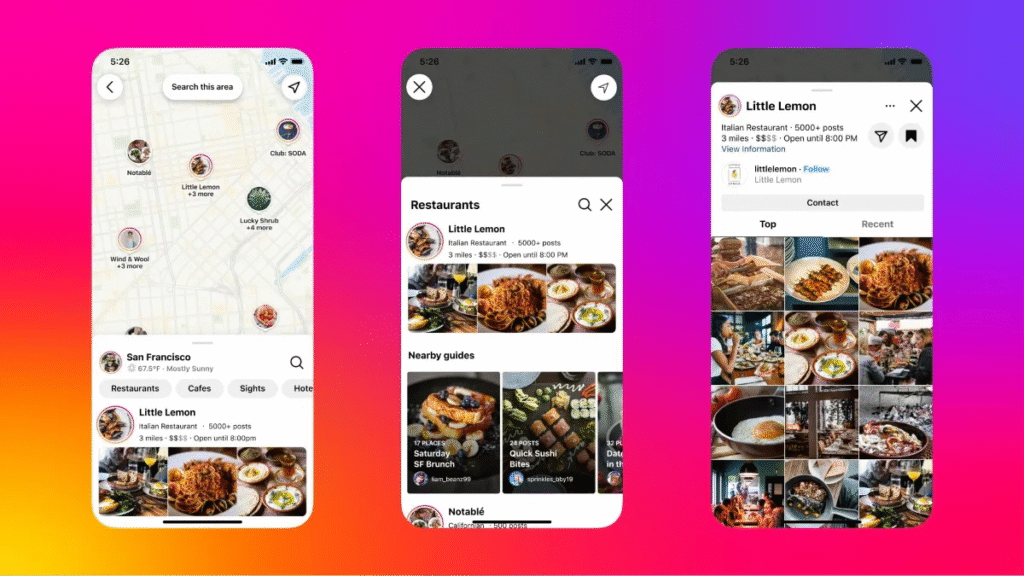
Unlike static mapping apps, Instagram’s map is content-driven. A café appears not just as a pin, but via real photos, short videos, and tagged creators. It’s contextual, dynamic, alive.
5. The Power of Proximity-Based Discovery
You no longer rely on broad city-wide searches. The closer you are, the richer your feed becomes. Hyperlocal relevancy means what’s around you matters most — and that’s the point.
6. Discovering Hidden Gems: Local Cafés, Murals, & Spots
Want that indie coffee shop you walked past last week but never Googled? The map lets you find it by content, not name. Street art, hole-in-wall diners, pop-up stalls — all become discoverable.
7. Meet Nearby Creators & Local Influencers
Instagram now surfaces creators in your vicinity. You can follow local photographers, food bloggers, or artists you didn’t even know lived two blocks over — and support them easily.
TechCrunch – Instagram Map Feature Launch
8. Hyperlocal Content Flow — From Global to Neighborhood
The feed hierarchy shifts. Instead of global trends dominating your home screen, your map view blends global, regional, and local in one spatial tapestry.
AI Superpower Race: 7 Nations Competing for the Future
9. How to Use the Map: Step-by-Step Guide
- Open Instagram → Tap “Map” icon
- Allow location access
- Zoom/pan to your area
- Tap pins or content clusters
- Swipe through posts & videos tied to real places
10. Setting Filters & Preferences for Relevant Results
Filter by categories — food, art, shopping, nightlife. Choose creators, tags, or formats (Reel, photo). Set preferences so only what interests you surfaces.
Just like WhatsApp’s privacy update introduced a safer way to connect, Instagram’s new Map Feature is reshaping local discovery in 2025.
11. Save & Bookmark Your Future Visits
Tap the bookmark on any map-pinned post to add it to your “City Favorites” list. Later, revisit via map or your saved tab.
12. Integration with Stories & Reels
Some map pins come alive through Reels or Stories — short clips tagged to the location. Click a shop pin, and you might immediately see a Reel showing its signature drink brewing.
13. Elevated Engagement for Local Businesses
This is discovery redefined for small shops. A boutique, café, or gallery can gain visibility simply by being tagged in content. Audience is no longer global, but right next door.
14. Creator Economy Meets Hyperlocal Presence
Creators with strong local presence now gain more weight. A food photographer’s map-located posts bring direct foot traffic, collaborations and stronger community ties.
15. Monetizing Local Content: Deals & Collaborations
Brands can partner with creators located nearby for pop-ups, events, or sponsored content. A restaurant invites a local food blogger for a tasting and gets content + reach.
16. Safety, Privacy & Geo-Permissions
Users can choose whether to appear on the map. Sensitive locations (homes, hospitals) are excluded. Instagram uses granular geo-permission controls to protect privacy.
17. Challenges & Edge Cases (Sparse Areas, Data Gaps)
In less populated zones, pins may be sparse. Rural or suburban users may not see much content early on. Over time, user adoption will fill these gaps.
18. Comparisons: Google Maps, Yelp, Foursquare
Traditional services are place-first. Instagram is content-first with place as context. Yelp gives reviews, Maps gives directions, Instagram gives stories about those places.
The map turns every café and mural into a live story you can step into.— Urban Explorer
19. Future Directions: AR, Real-Time Updates & Events
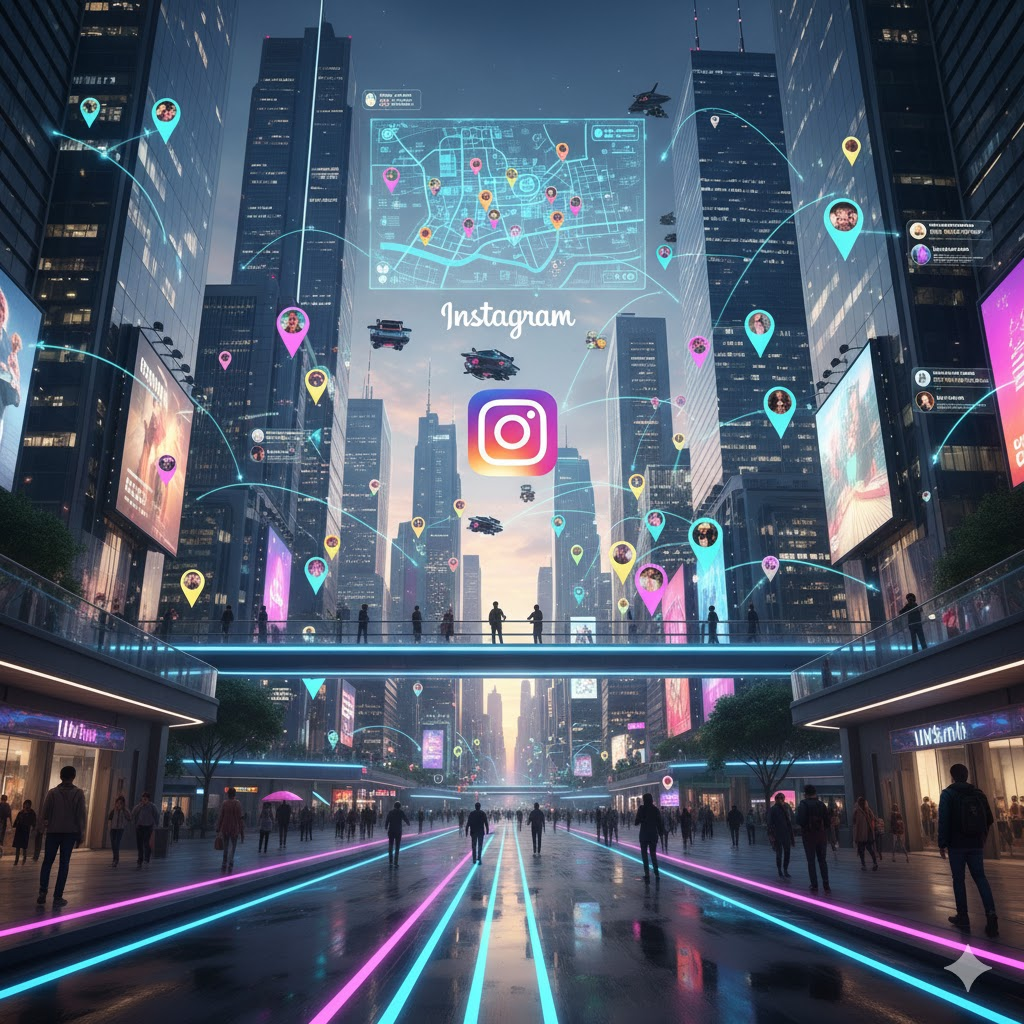
Imagine walking through a street and seeing AR overlays — banners, creator pins, live events. Real-time check-ins, pop-ups, and crowdsourced maps are likely next.
20. Final Thoughts — Rediscovering Your City Through Instagram
This isn’t just a feature — it’s a shift in how we relate to place. Instagram’s map invites us to rediscover our cities, creators, and stories in rich, contextual ways. You’ll no longer just scroll — you’ll roam.
📸 Stay Updated!
Follow us on Instagram for the latest business, world news & tech trends.
➜ Follow @FasturiousOfficial