
Best Freelance Platforms: The freelance economy in 2026 looks very different from just a few years ago. Remote work has become standard across industries, AI tools are boosting productivity, and companies are increasingly hiring global talent instead of relying exclusively on in-house teams. With more professionals turning to online platforms to build careers, the big question is: which freelance marketplace offers the best opportunities in 2026?
For most freelancers, three platforms dominate the conversation: Fiverr, Upwork, and Toptal. While all three connect talent with clients, their models, pricing, and expectations vary significantly. Understanding these differences is essential to choosing the right platform for your goals.
How Freelance Platforms Differ (and Why It Matters)
Each platform uses a different system for matching freelancers with work:
- Fiverr: gig-style listings
- Upwork: proposal-based marketplace
- Toptal: curated talent network
These models impact how freelancers find clients, how quickly they can earn, what they charge, and how much competition they face. Beginners care most about access and visibility, mid-level professionals focus on sustainable relationships, and senior talent prioritizes high-paying work with reputable clients.
There’s no universal “best” platform—only the best match for your skill level, goals, and experience.
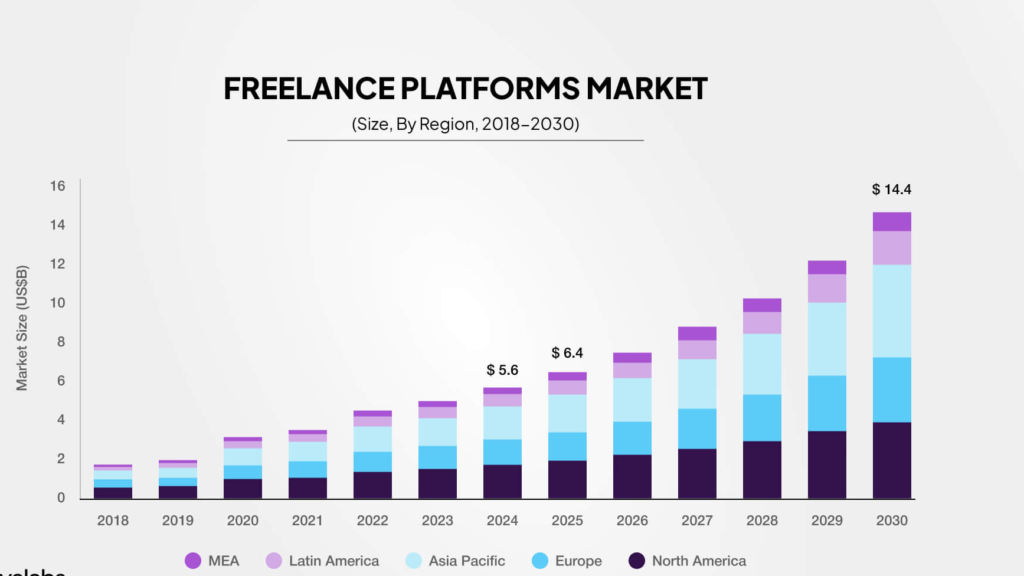
Fiverr in 2026 — Fast Entry and Gig-Based Work
Fiverr built its success by simplifying freelance transactions. Sellers create “gigs” with fixed pricing and buyers choose from preset packages. This setup makes Fiverr ideal for beginners and creatives who want to start earning quickly without interviews or proposals.
Strengths
Fiverr’s biggest advantage is accessibility. A designer, writer, or voice-over artist can create a profile and potentially receive orders within days. The platform favors freelancers who know how to productize their services into clear offers like “Logo Design,” “Podcast Editing,” or “Landing Page Copy.”
Sellers can also scale through higher-tier packaging and the Fiverr Pro program, which rewards established talent with verified status and premium pricing.
Weaknesses
Competition in popular categories is intense, and pricing pressure can push new sellers toward lower rates. Fiverr also charges a flat 20% fee, which can limit profitability for high-value gigs or steady clients.
Best For
- Beginners and emerging creatives
- Task-based digital services
- Side hustlers and portfolio-building freelancers
In short, Fiverr rewards specialization, speed, and clarity.
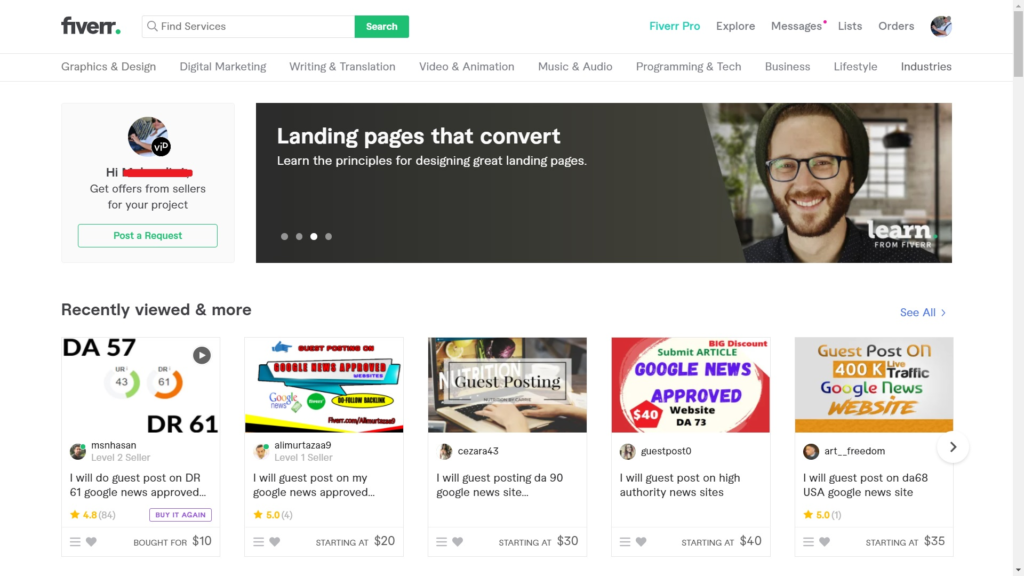
Upwork in 2026 — Professional, Versatile, and Relationship-Driven
Upwork is one of the largest freelance marketplaces and caters to nearly every industry. Unlike Fiverr, freelancers apply to jobs by submitting proposals, participating in interviews, and negotiating contracts.
Strengths
Upwork thrives on versatility. Freelancers can work hourly or by milestone, and projects range from one-off tasks to long-term retainer contracts. For mid-level professionals—especially in marketing, development, writing, and consulting—Upwork provides a realistic path to full-time remote income.
Client quality also skews higher than many gig platforms. Startups, SMBs, and even enterprise teams regularly post roles seeking long-term collaboration rather than transactional gigs.
Weaknesses
Breaking in can be slow for newcomers. Visibility is based on profile strength, reviews, and proposal quality, and bidding requires Connects, which adds cost. Client budgets vary widely, so filtering is essential to avoid underpriced or unclear projects.
Best For
- Mid-career freelancers and consultants
- Professionals seeking stable, recurring work
- Freelancers transitioning to full-time remote careers
Upwork is best viewed as a platform for building a freelance business, not just generating quick tasks.
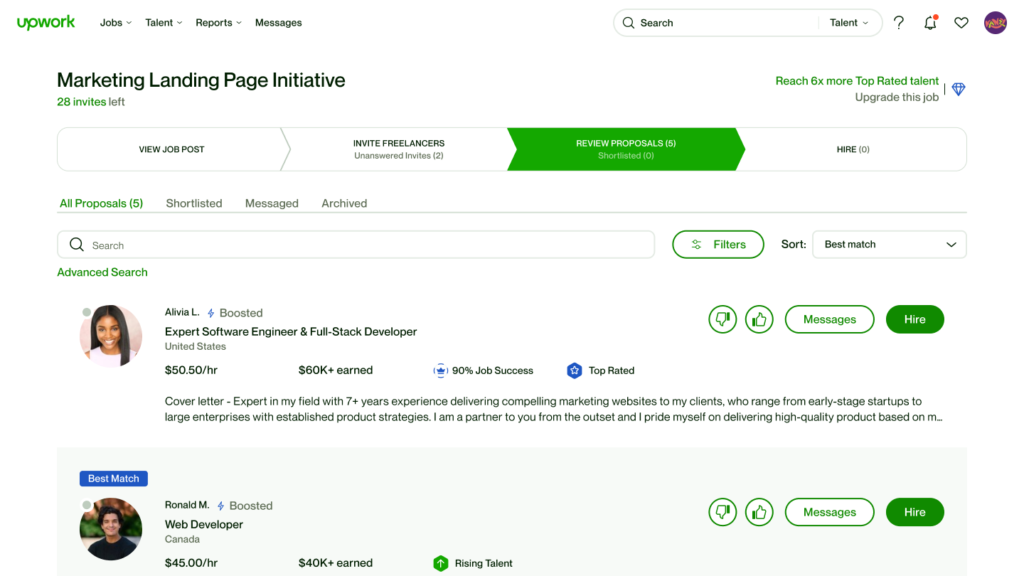
Toptal in 2026 — Premium Talent for Premium Clients
Toptal occupies a completely different space in the freelance ecosystem. Instead of open bidding or gig listings, it operates as a curated talent network, matching high-level experts to enterprise clients. The platform claims to accept only the top 3% of applicants.
Strengths
The upside for accepted freelancers is significant. Rates are higher, project scopes are more strategic, and competition is lower once inside the network. Typical clients include fintech firms, SaaS companies, and enterprise tech teams—industries where specialized knowledge commands higher pay.
Senior freelancers spend less time applying for work and more time delivering results.
Weaknesses
The vetting process is demanding and eliminates the majority of applicants. Toptal also focuses on a narrow set of categories: software development, design, finance, product, and project management. This excludes many types of freelance work entirely.
Best For
- Senior-level professionals
- Developers, designers, finance experts, PMs
- Freelancers seeking enterprise-grade work and compensation
Toptal rewards expertise, specialization, and proven results.
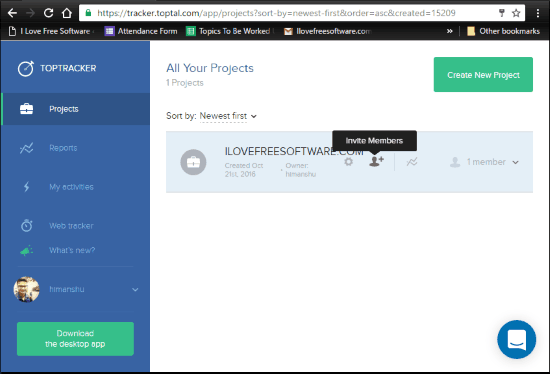
Side-by-Side Comparison
| Category | Fiverr | Upwork | Toptal |
|---|---|---|---|
| Model | Gig Marketplace | Proposal-Based | Curated Network |
| Entry Barrier | Low | Moderate | High |
| Client Type | Small Business & Creatives | SMBs, Startups, Enterprise | Enterprise & Tech |
| Best For | Beginners & Task Work | Mid-Level Pros | Senior Experts |
| Earning Potential | Low–Moderate | Moderate–High | High–Very High |
| Fees | 20% | Tiered 5–20% | Client Pays Premium |
The pattern is clear: the more specialized your skills, the more the platform rewards you.
Who Should Choose Which Platform? (Personas)
To make Best freelance platforms selection clearer, imagine three freelancers:
- A new graphic designer looking for fast portfolio work → Fiverr
- A content strategist seeking ongoing client retainers → Upwork
- A senior fintech developer pursuing enterprise contracts → Toptal
Each platform aligns with a different phase of a freelance career.
Pricing, Fees, and Earning Potential in 2026
Pricing remains one of the biggest differentiators. Fiverr’s flat percentage fee reduces margins as earnings scale. Upwork’s sliding fee structure rewards long-term clients, making retainers more profitable. Toptal avoids the fee dilemma entirely from the freelancer side, though access to the network is limited.
As enterprise adoption of freelance talent increases, earning potential correlates more than ever with specialization.
Freelance Trends Shaping 2026
Several industry trends are influencing how freelancers choose platforms:
- AI boosts output but raises competition
- Employers embrace distributed teams
- Niche skills outperform generalist offerings
- Zero-cut and decentralized platforms are emerging
- Freelancing becomes a full career path, not a backup plan
These shifts suggest freelancing will continue to grow as a global workforce standard.
Which Platform Wins in 2026?
There isn’t a single winner—only different strengths:
- Best for beginners: Fiverr
- Best for career progression: Upwork
- Best for senior talent & high pay: Toptal
- Most versatile: Upwork
- Easiest to start: Fiverr
Conclusion: Choose Strategically, Not Emotionally
Choosing the right best freelance platforms is ultimately a strategic decision. Before joining, ask yourself:
- What kind of clients do I want?
- Do I prefer quick gigs or long-term projects?
- Am I competing on price or expertise?
- Am I freelancing as a side hustle or a career?
Platforms can accelerate your growth—or stall it. The freelancers who thrive in 2026 are the ones who align their skills with the marketplace that values them most.
Have any thoughts?
Share your reaction or leave a quick response — we’d love to hear what you think!
-
 0
0
-
 0
0
-
 0
0
-
 0
0
-
 0
0
-
 0
0